Heritage & Culture: Your Immersive Singapore Trip
By WorldHotels
Share





URL has been copied successfully!
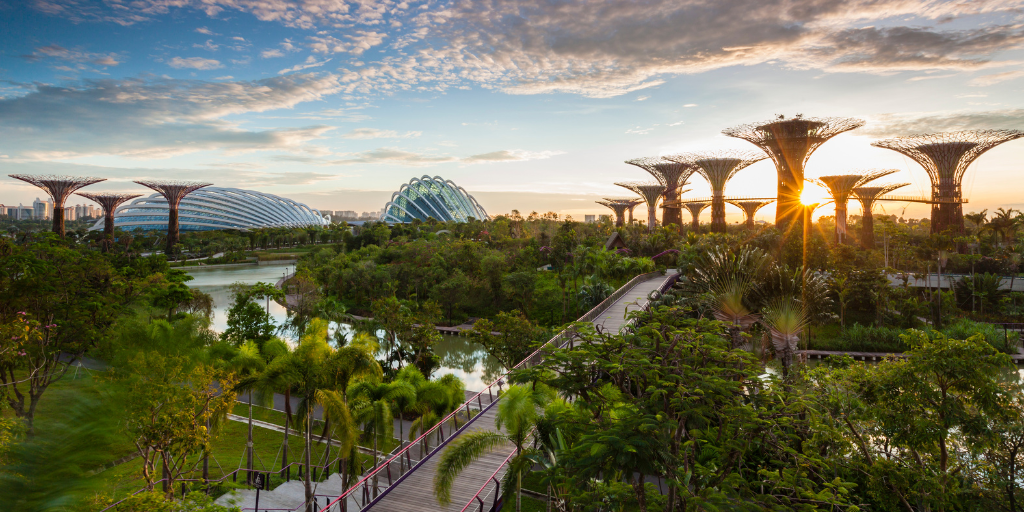
Singapore is a vibrant melting pot of cultures, where diverse influences from Chinese, Malay, Indian and Peranakan communities come together to form a unique mosaic of heritage. This bustling city is infused with history, offering travellers an opportunity to explore lesser-known neighbourhoods, sacred spaces and immersive cultural experiences. Whether you’re wandering through colourful streets or participating in hands-on workshops, this guide will help you plan a unique and meaningful Singapore vacation.
Lesser-known Cultural Neighbourhoods
One of the best ways to delve into the heart of the country’s culture is by exploring the different Singapore districts. The Katong-Joo Chiat area stands out as an authentic hub of Peranakan heritage: as you stroll through its streets, take the time to admire the colourful Peranakan Houses adorned with intricate tiles and decorative façades. After taking in the architecture, it’ll be time to stop by a family-run bakery to savour traditional kueh sweets. One highly-regarded establishment is Ah Yees’s Soon Kueh, which is just around the corner from the iconic colourful abodes. Before leaving Katong-Joo Chiat, pay a visit to the Eurasian Heritage Gallery to broaden your knowledge of the indelible influence of Eurasian culture on Singapore’s diverse landscape.
Just a short distance away is Kampong Lorong Buangkok, Singapore’s last surviving ‘kampong’ settlement. A visit to this historical gem offers a rare glimpse into pre-urbanised Singapore. Here, the rustic charm of traditional houses and green spaces provides a tranquil escape from the bustling city centre. This area embodies the simplicity of life and is cherished by locals for its nostalgic value.
Hidden Temples and Sacred Spaces
Singapore is home to stunning religious sites, and one such example is the Lian Shan Shuang Lin Monastery just north of the Kallang River. This serene Buddhist monastery adorned with intricate carvings and statues is often overlooked by holidaymakers. It is a peaceful temple that provides a perfect environment for contemplation and reflection amidst the vibrant city.
Another hidden treasure is the 18th-century Sri Senpaga Vinayagar Temple, an exquisite Hindu place of worship that is renowned for its beautiful Dravidian architecture and colourful sculptures. Here, you’ll immerse yourself in the local reverence and experience significant cultural rituals within this authentic setting in the Marine Parade district.
Immersive Cultural Workshops
To deepen your understanding of Singapore’s rich heritage, make the most of the unique opportunity to participate in a cultural workshop led by a local artisan. There are workshops covering a vast range of traditional activities, ranging from Peranakan beadwork to batik painting. Our tip? Kim Chu Kueh Chang offers a fascinating and immersive beadwork workshop, where you’ll have the chance to hone your skills and then take your piece home with you at the end of the session.
For a taste of local culture, consider signing up for the Kampong Gelam Calligraphy and Oud Perfumery Workshop: both Jawi calligraphy and oud are deeply rooted in Malay heritage. These workshops offer a unique opportunity to connect with the city’s traditions while creating lasting memories of your dive into Singapore culture.
Food Experiences Beyond Hawker Centres
While Singapore’s hawker centres are famous for their diverse culinary offerings, there are some more intimate settings to indulge in local cuisine that we’d highly recommend. The likes of Poon’s Supper Club and Senang Supper Club offer delightful private dining experiences, where you’ll taste home-cooked heritage dishes like Nyonya laksa or Teochew braised duck. By dining in more close-knit settings, you’ll be able to interact with locals and gain insights into their culinary traditions.
Alternatively, join a wet market breakfast tour to explore local markets like Tiong Bahru or Tekka Market. Guided by a local expert, you’ll discover amazingly fresh produce, learn how to hand-pick the best ingredients and even get to enjoy a breakfast at the end of the tour. Companies such as Viator offer 2-hour wet market breakfast experiences, adding extra layers to your culinary adventure.
If you’re into seafood, we recommend heading to the Smith Marine Floating Restaurant for something extra special: Singapore’s only floating ‘kelong’ restaurant allows you to catch your own fish from its fish farm – it doesn’t get much fresher than this.
Traditional Arts & Performances
Singapore’s rich cultural tapestry is reflected in its traditional arts and performances. Immerse yourself in its artistic heritage by attending a wayang Peranakan show: a rare form of Chinese Peranakan theatrical opera that blends Malay and Chinese storytelling traditions. This captivating performance format unfolds vibrant visual narratives, showcasing the rich cultural heritage of the Peranakan community. This fading yet fascinating art form can be appreciated at the Kreta Ayer People’s Theatre. With elaborate costumes and dramatic performances, it’s a cultural event that transports you to the heart of Singapore’s historical storytelling.
Discovering Colonial-Era Heritage
Another way to appreciate Singapore’s diverse heritage is by exploring lesser-known Black and White Bungalows in areas such as Adam Park and Alexandra Park. These early 20th-century homes tell stories of Singapore’s colonial past. They are true relics of the period of British rule, which lasted from 1824 until Singapore’s self-governance in 1959. While most of the bungalows are now managed by the state, others have been turned into bars, restaurants and even foreign embassies. A visit to these charming structures offers a unique perspective on the country’s history.
Hidden Cultural & Historical Gems
Just around the corner from the stunning Thian Hock Keng Temple, you’ll discover an incredible 40-metre mural painted by artist Yip Yew Chong that takes you on a journey through Hokkien history and introduces you to stories of Singapore’s early Chinese settlers. This astonishing piece of art resembling a Chinese scroll is a must-visit for those who are already planning to visit the famous temple built in honour of the Chinese sea goddess, Mazu.
A visit to Bukit Brown Cemetery is a memorable way to connect with tragically overlooked elements of Singapore’s history. This poignant site is the resting place of many prominent early Singaporeans, ranging from merchants to philanthropists and politicians. It is believed to be the largest Chinese cemetery outside of China. Several companies offer guided Singapore tours of the cemetery, taking visitors to the tombstones of individuals that helped to weave the very fabric of Singaporean society. Peatix is one of the many companies that run such tours on a regular basis.
Cycling and hiking enthusiasts should not miss the chance to explore the 24-km ‘Rail Corridor’: a former railway line that has been turned into a public cycling and hiking trail. Split into ‘North’, ‘Central’ and ‘South’ sections, you’ll pass by old railway stations that have been converted into galleries and cafés. The parts of the ‘Corridor’ close to King Albert Park and Clementi Forest still feel like a secret jungle escape, enticing travellers seeking adventure away from usual paths.
Secret Local Hangouts & Dining Experiences
We recommend exploring Dakota Crescent, an old housing estate built by the public Singapore Improvement Trust (SIT) in 1958. A dove-inspired playground dating back to 1979 still stands to this day, as do 15 of the original housing blocks.
A visit to the Fuk Tak Chi Temple-Museum tells the history of early Hokkien immigrants. Built in 1820 (and subsequently re-built in 1825), it’s Singapore’s first street museum and believed by many to be the oldest Chinese temple in the country. Pair this visit with an Amoy Street food trail, where you’ll have the chance to savour traditional Hainanese curry rice, herbal duck noodles and other must-eat food in Singapore from surrounding shophouses.
Embracing Singapore’s Heritage
By exploring these hidden gems, immersive workshops and unique culinary experiences during your Singapore trip, you’ll gain a profound understanding of the country’s rich and diverse culture. Explore the WorldHotels independent hotels in Singapore today.
Recommended Articles