A Weekend Visit to Trelleborg: Discover Sweden’s Southernmost City
By WorldHotels
Share





URL has been copied successfully!
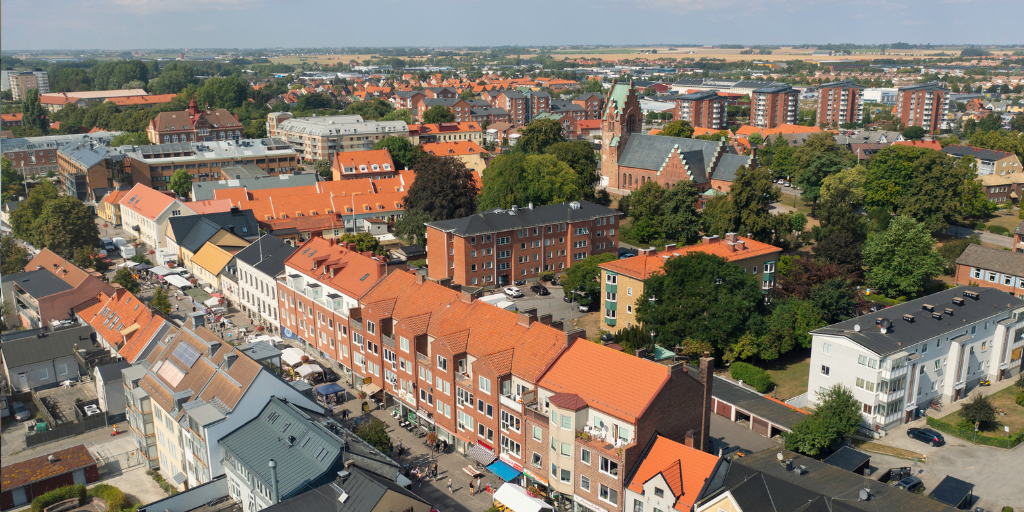
Sweden’s southernmost city sits closer to Berlin than to Stockholm, and that geographical quirk gives Trelleborg a distinct character that’s different to other Swedish destinations. Positioned where the Baltic Sea and the Öresund meet, Trelleborg blends Viking heritage, working maritime culture and a quietly confident coastal personality that rewards those who venture beyond the usual Scandinavian sights.
When you visit Trelleborg, you discover a city where local museums tell stories spanning a thousand years of trade and conquest, and where the surrounding Skåne region offers some of southern Sweden’s most compelling day-trip territory. Whether you’re touching down by plane, crossing from Germany by ferry or arriving from Copenhagen over the famous Oresund Bridge, Trelleborg is both convenient to get to and a refreshing surprise for travellers.
The Harbour and City Centre
Things to do in Trelleborg begin at the harbour, the beating heart of the city. One of Scandinavia’s busiest ferry crossings, the port links Sweden with Germany and Poland, and its maritime energy defines the waterfront atmosphere throughout the day. Early mornings bring fishing boats returning with their catches and rumbling rail/passenger ro-ro ferries manoeuvring into berth. Afternoons belong to locals gathering along the front for fika – the quintessential Swedish concept of coffee, a pastry and unhurried conversation.
The harbour rewards slower exploration on foot. Strandgatan traces the seafront, passing the eye-catching Sjöormen sea-serpent sculpture and connecting to Stadsparken, a pleasant green space just inland that fills with families on summer evenings. Back towards the town centre, the main square of Stortorget is anchored by the historic Vattentornet water tower and flanked by independent cafés and bakeries where the pace of life reflects the unhurried rhythms of the south. It’s the kind of place where a short detour almost always leads somewhere worth finding.
Viking Heritage and Local History
Trelleborg’s most remarkable historical treasure sits just outside the city centre: the reconstructed Trelleborg Viking fortress, one of only five such circular ring forts known to exist in Scandinavia. The Trelleborg fort dates from the 10th century, built during the reign of Harald Bluetooth as a military installation of extraordinary geometric precision. The circular earthwork, with its four symmetrically placed gateways and internal road network, reflects Viking engineering capabilities that still astonish archaeologists. A full-scale reconstruction of a Viking longhouse stands alongside the earthworks – particularly vivid during the annual Viking Festival, when more than a thousand enthusiasts descend for battle re-enactments, craft demonstrations, and an authentic tent village.
The adjacent Trelleborg museum provides essential context for the fort and the city’s broader story. Exhibitions span the Viking Age through medieval trading history to Trelleborg’s development as a modern ferry port, presented with the clarity that characterises the best Scandinavian museum experiences. The permanent collection is more extensive than the building’s modest exterior suggests – we recommend allowing at least two hours so you can experience it all, and make sure to check ahead for seasonal special exhibitions too.
Day Trips into the Skåne Region
Skåne attractions extend in every direction from Trelleborg, and a handful of destinations are particularly worth the short drive.
Ystad, around 45 minutes east along the coast, is best known internationally as the setting for Henning Mankell’s Wallander crime novels – and the town itself definitely lives up to its literary and on-screen depiction. Pastel-coloured half-timbered houses line the cobbled Östergatan, where Pilgrimshuset is reputedly Sweden’s oldest surviving timber-framed building. Must-visit things to do in Skåne include the 13th century Franciscan monastery which anchors the historic core, and the Ystad Studios Visitor Center which lets you step inside the original Wallander sets and hear behind-the-scenes stories about the films.
Smygehuk, just west of Trelleborg, marks the precise southernmost point of Sweden, where a lighthouse stands at the tip of the Scandinavian peninsula with open water stretching in three directions. The surrounding nature reserve is excellent for birdwatching and coastal walks, where the local habitats attract migratory species throughout the year.
Further into the Skåne region, castle-hunters will find Glimmingehus: one of Scandinavia’s best-preserved medieval strongholds. This gem offers a tangible encounter with the region’s aristocratic history and remarkably intact late-Gothic architecture.
Willow Hotel: Trelleborg’s New Landmark
Opening in 2026, Willow Hotel is set to become one of southern Sweden’s most inspiring holiday destinations. Joining the WorldHotels Crafted collection, the hotel sits in the heart of Trelleborg with 180-degree ocean views that capture the city’s maritime setting. The property’s Skybar and rooftop are set to become the definitive spot for watching the light change with the sunset over the Baltic.
The spacious rooms offer a curated coastal retreat, while the two on-site restaurants celebrate the excellent regional food culture of Skåne. The large spa with terraces, sauna, steam bath, and a striking glass-walled outdoor pool extending beyond the building façade, creates a wellness offering that feels genuinely bold for a city of this size. Plus the excellent transport connections to Copenhagen, Malmö and the regional airport make Willow Hotel a convenient base for exploring the broader Öresund region.
Beyond the Main Sights
Beyond the initial draw, the city of Trelleborg has more texture than many visitors expect: local market days bring the town centre to life with regional produce and artisan goods – from Viking-themed items, to handmade jewellery, to artisanal liquorice. Walpurgis Night at the end of April and Midsummer in June are two celebrations when the city and its Viking heritage come alive.
The fantastic cycling routes threading through the surrounding agricultural landscape are another draw for in-the-know visitors. The paths connect small villages and coastal viewpoints that visitors driving between ferry ports might never discover. The landscape here is distinctly flat, open countryside, making it a world away from the forests and lakes of northern Sweden, and all the more striking for it!
Visit Trelleborg: Your Southern Swedish Adventure Awaits
Trelleborg sits at a fascinating crossroads – literally, culturally and geographically – where Scandinavian tradition meets continental European influence, where Viking history coexists with a busy modern port, and where the surrounding Skåne region delivers one of Sweden’s most rewarding regional landscapes for unhurried exploration. The opening of Willow Hotel gives visitors a compelling reason to make this underrated destination their base for their next Swedish adventure.
Recommended Articles