Europe’s Hidden Jewel: Luxembourg’s Capital, Castles and Countryside
By WorldHotels
Share





URL has been copied successfully!
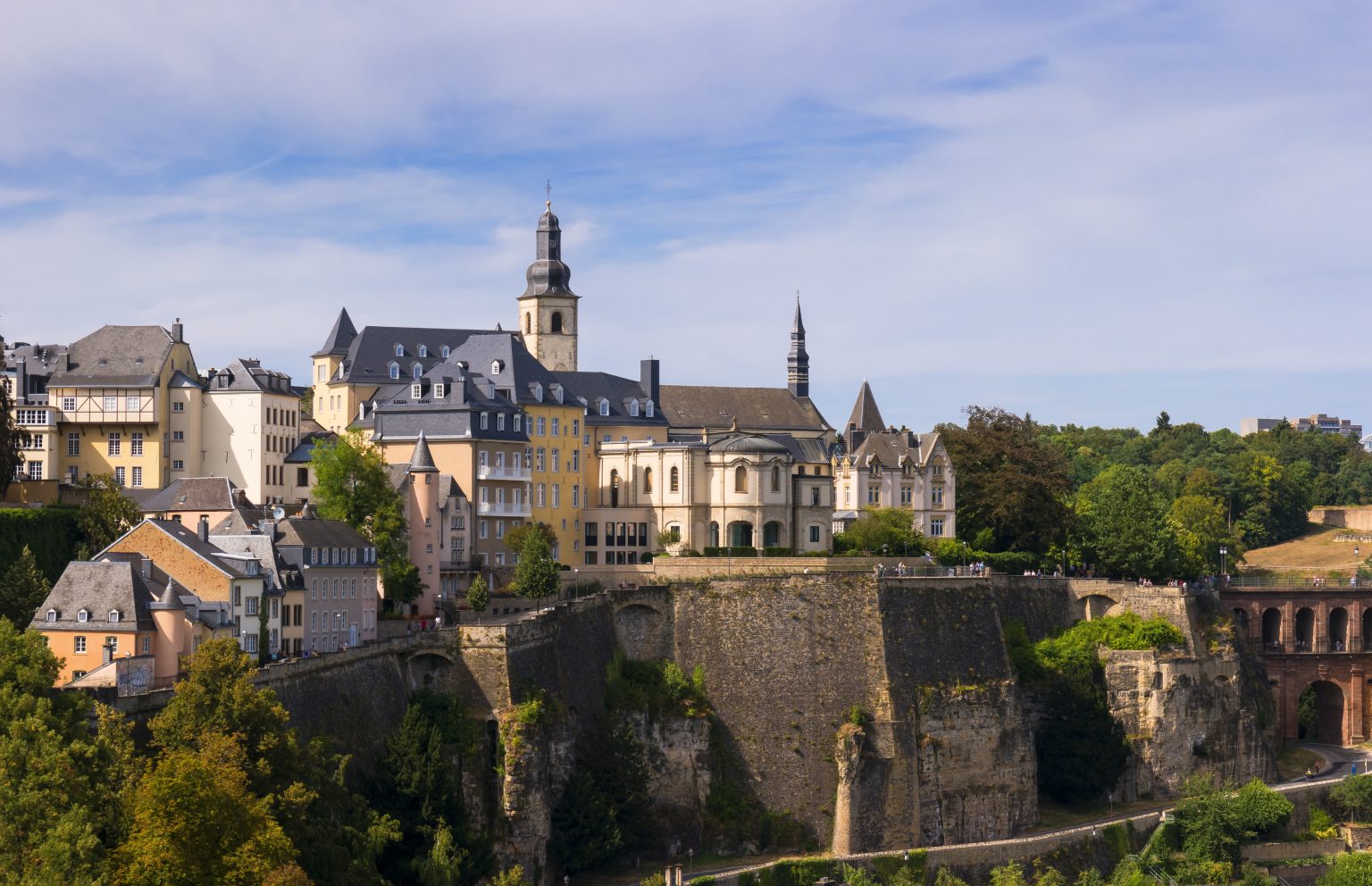
Nestled between Germany, France, and Belgium, Luxembourg remains one of Europe’s best-kept secrets for all kinds of getaways. This compact Grand Duchy offers a wealth of experiences – from UNESCO World Heritage sites and medieval castles to urban gastronomic delights and inviting hiking trails – all within a country as small as the US state of Rhode Island.
What makes Luxembourg so special is how effortlessly visitors can experience urban sophistication, historical grandeur, and natural beauty within a single short trip. Explore ancient fortifications in the morning, hike through fairytale forests in the afternoon, and dine at a Michelin-starred restaurant in the evening: all without travelling more than an hour or so from your hotel.
Discover Luxembourg
Most travellers know little about this tiny nation beyond its role as a European financial centre, but Luxembourg is a destination that punches well above its weight. The country’s unique blend of cultures combines French elegance, German productivity, and distinctive Luxembourgish traditions into something genuinely unique.
Luxembourg’s compact size makes it a perfect destination for visitors, as you’ll be able to experience everything from cosmopolitan city life to rural countryside adventures without lengthy transfers or complex logistics. In a country where half the population are foreign nationals, this hugely international country has something for everyone.
Luxembourg City: Old Town UNESCO Heritage Meets Modern Sophistication
The capital city showcases the best of what Luxembourg has to offer. As you walk through the different neighbourhoods, you’ll see medieval fortifications right next to dramatic contemporary European architecture, creating an interesting juxtaposition. Cultural institutions and events are a big draw for visitors, and once you’re here, you’ll understand why. No other city has been awarded the European Capital of Culture honour on two occasions: Luxembourg really has that much culture to showcase and explore!
Situated in the central south of the country, the capital occupies a dramatic clifftop position with ancient ramparts and stone buildings creating one of Europe’s most striking urban landscapes. This positioning and history helped Luxembourg old town receive a coveted UNESCO World Heritage status in 1994.
Start your day with a walking tour of the old quarters and fortifications, as well as Chemin de la Corniche which run along the ramparts from the Bock Promontory to the lower part of the Holy Ghost Citadel. Famously dubbed ‘Europe’s most beautiful balcony’, this promenade offers spectacular panoramic views of the Alzette river valley, the Grund district, and the Rham Plateau.
During your walk, notice the contrast of ancient stone fortifications and modern glass buildings that captures Luxembourg’s evolution from medieval fortress to contemporary centre of European life. Don’t miss the Pfaffenthal Panoramic Elevator to fully take in the blend between old and new from a particularly photogenic angle.
Cultural tips for things to do in Luxembourg’s walkable centre include the National Museum of History and Art, which is housed in an extensive late Gothic and Renaissance mansion. The contemporary Mudam Luxembourg (the Grand Duke Jean Museum of Modern Art) showcases cutting-edge art from around the world: we’re looking forward to the Video Killed the Radio Star exhibition this year, which will explore how the cultural and political transformations of the 1980s still inform the world we live in today. Famous for its striking architecture, Mudam was designed by the renowned Sino-American architect Ieoh Ming Pei in 2006 and stands on the historic site of Fort Thüngen.
For something different, check out the famous Casemates du Bock: a defence system of tunnels built into the rock that offers fascinating insights into the city’s military history while providing a cool respite during the warm summers. These 17th-century defensive tunnels stretch for 23 kilometres beneath the Old Town of Luxembourg City, highlighting the strategic location of the country and how this shaped local history.
Where to Stay in the Capital
A haven of peace in the heart of Luxembourg, the Grand Hotel Cravat offers a friendly welcome in the grand family tradition. This luxury hotel offers two very different styles: the signature 60s luxury with marble and period tiling, and the exclusive fourth floor with its high-tech renovations to meet the expectations of the most demanding modern business guests. This inviting property offers guests immediate access to major Luxembourg sights and is a stone’s throw from the city’s best restaurants and cultural attractions.
Outside of the city centre to the south-west, Hotel Parc Belair is a sumptuous hotel close to the National Theatre, cathedral and Villa Vauban gallery. Recognised as a top Luxembourg hotel, this welcoming property features a lake-side terrace restaurant, sauna and fitness centre, and a comprehensive business centre. The short distance to the centre means you’ll still maintain excellent access to all the Luxembourg activities you’ll want to experience—both in the city and out in the countryside.
Castle Towns and Countryside Adventures
Due to the size of the country and the readily available transport links, day trips from Luxembourg City allow you to easily explore medieval castle towns and fairytale country landscapes.
Vianden Castle, perched dramatically above the river Our, is one of Europe’s finest examples of feudal architecture—picture a classic fairytale castle perched on a hill surrounded by a vast forest. This restored 11th-century fortress offers spectacular views across the surrounding Ardennes forests, and provides insights into Luxembourg’s medieval heritage.
The surrounding town of Vianden combines authentic Luxembourg countryside charm with excellent hiking opportunities. Well-marked trails lead through dense forests and along peaceful river valleys, providing tranquil alternatives to busier tourist destinations and showcasing the natural beauty that defines rural Luxembourg.
Hiking in Luxembourg caters to all fitness levels, from gentle family walks to more challenging multi-day treks. The famous Mullerthal Trail includes over 180 kilometres of marked paths that wind through varied landscapes, from the beautiful Wolf Gorge and rock formations around Berdorf, to gentle river valleys and charming villages like Echternach and Larochette. Some of the landscapes are likened to the alps—you might hear it being referred to as ‘Little Switzerland’.
Culinary Excellence and Local Flavours
The distinctive cuisine of Luxembourg reflects the country’s position at the crossroads of European culinary traditions, being heavily influenced by both French and German cuisine. Typically celebrating seasonal local produce, Luxembourg’s cuisine is exemplified by dishes such as Judd mat Gaardebounen (smoked pork with broad beans) and fresh river trout prepared with Riesling cream sauce and local herbs.
From cosy bistros serving traditional dishes to innovative establishments, there’s a wide range of places to eat in Luxembourg to suit varied international tastes. The country even boasts the second highest number of Michelin-starred restaurants per capita, currently standing at 153 Luxembourg restaurants with at least one star!
We recommend Bonne Nouvelle for small plates and spectacular natural wines, and one of the three restaurants from acclaimed chef Léa Linster: the two-starred Restaurant Léa Linster for refined French techniques and culinary wonders, Au Quai de la Gare for bistro classics, and Kaschthaus in the town of Hellange for traditional Luxembourgish dishes.
The country’s wine region along the Moselle River produces excellent white wines that perfectly complement the local cuisine and international fare, in particular wines from Riesling, Pinot Blanc, Pinot Gris and Crémant de Luxembourg. Cooperative Domaines Vinsmoselle has four sites along the Moselle – in Remerschen, Wellenstein, Wormeldange and Grevenmacher – where staff take great pleasure in presenting the best vintages to visitors and sharing insights into Luxembourg’s viticultural traditions.
Compact Luxury and Adventure in the Heart of Europe
Luxembourg is a perfect destination for short trips, as so much can be experienced in just a few days. The combination of urban culture and sophistication, historical sites and natural beauty allow this jewel of a country to rival some much larger European destinations, providing the convenience, authenticity and intimacy that can only be found in a smaller nation.
Recommended Articles