Our Tips for Cherry Blossom Season in Japan
By WorldHotels
Share





URL has been copied successfully!
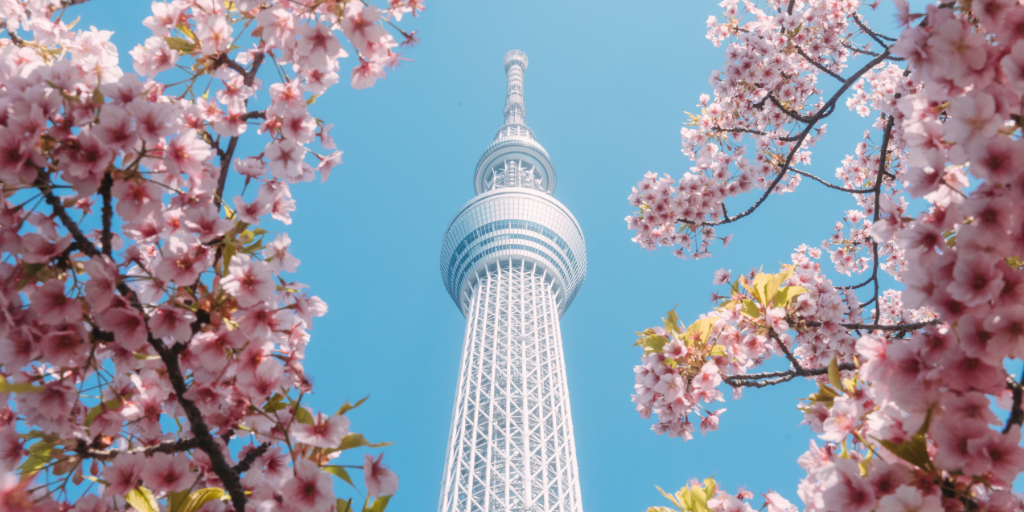
Springtime brings one of the most celebrated natural phenomena, as cherry blossom season in Japan transforms the entire country into a pink and white wonderland. While cherry blossoms can be found the world over—from North America to Oceania—the blossoms in Japan have spawned a whole different league of festivities and traditions. This magical time goes far beyond simple flower viewing: it represents a deep, shared cultural moment that connects centuries of seasonal celebrations with modern Japan and its citizens.
Known as hanami in Japanese, the custom of viewing cherry blossoms at their peak bloom involves everything from taking photographs, having lavish picnics under the blossoms, boating on tree-lined lakes, and writing and reciting poetry. Appreciating these sakura trees and the wider cherry blossom activities in Japan requires understanding of local customs, so we are here to outline everything you’ll need to plan your own cherry blossom trip to Japan this springtime.
Discovering Authentic Hanami Traditions
Japan has over a hundred varieties of cherry tree, and you’ll find them planted everywhere in cities, towns and in the countryside. They line riverbanks, they encircle castles and temples, and they’re dotted around nearly every public park in the country. Distinct types of cherry trees are favoured for different areas, with specific varietals being highly prized for their unique colouring, shape, petals and symbolism. While every cherry tree is fantastic in its own way, some people aim to seek out rare examples and collect pictures of blossoms from as many types as possible.
During the weeks of hanami, Japan’s customs centre around the philosophical concept of “mono no aware” – a phrase that captures the idea of finding bittersweet beauty in life’s impermanence. Families and friends gather beneath blooming sakura trees, sharing specially prepared foods while making the most of the brief but spectacular flowering period. As well as providing an enjoyable experience with pleasant views, these gatherings traditionally strengthen bonds between family and friends through shared appreciation of nature’s annual cycle.
Castle Parks: Historical Landmarks Alongside Natural Beauty
Japan’s ancient castles and temples provide stunning backdrops for cherry blossom viewing and are some of the best places to see extensive blossom displays. Less than an hour from the city of Kobe, there’s one of the best examples of this: Himeji Castle. Also known as the White Heron Castle, this UNESCO World Heritage site becomes even more magnificent when surrounded by over 1,000 blooming cherry trees during the annual festival. The contrast between the pristine white structure and the expanse of pink blossoms all around it creates one of Japan’s most iconic spring scenes. A short train ride from Tokyo and Yokohama (around 30 minutes on the Shinkansen bullet train), there’s another favourite of ours: Odawara Castle. While it may be smaller than some of the hotspots in the capital city, this castle is home to one of the country’s best cherry blossom festivals. The city itself is surrounded by stunning scenes of the Hakone Mountains and the Sagami Bay, and the castle grounds feature 300 cherry trees circling the castle moat. After taking in the scene during the day, visit again at night and you’ll find yourself marvelling at the hundreds of paper lanterns that completely transform the scene.
Yozakura: Hanami’s Nighttime Magic
While the daytime events during hanami in Japan involve elaborate picnics and gatherings, the evenings bring a completely different dimension to cherry blossom viewing. For nighttime sakura viewing, known as yozakura, cherry blossoms in city parks and thoroughfares are illuminated by traditional lanterns and modern light displays. Just like at Odawara Castle, mentioned above, the scenery in Tokyo and Kobe is brought to new, ethereal heights through these nighttime illuminations. Contemporary yozakura celebrations combine historical elements with sophisticated illumination techniques. Many parks and gardens extend their hours during peak bloom periods, allowing visitors to experience both day and night viewing. The interplay of light and shadow transforms familiar trees into mystical sculptures, creating romantic settings to enjoy with loved ones. The tradition of enjoying the cherry blossoms by moonlight dates back centuries. With peak blossoms in Tokyo in 2026 estimated to take place at the very end of March, your visit could be scheduled just in time for the full moon on 2nd April.
Essential Etiquette and Timing Tips
Enjoying hanami festivities requires good understanding of local customs and regularly checking the Sakura Forecast that is broadcast across the country. When is cherry blossom season in Tokyo, for example, isn’t something that can be answered for definite until close to the first blossoms emerging. Peak bloom typically occurs between late March and early May, varying by location and weather conditions. As major cities can become crowded with visitors and locals alike, it is highly advised to plan early morning visits to secure good viewing spots. The practice of reserving a place in parks is quite common in the major cities, so follow the lead of local residents. Many people begin staking out prime spots before sunrise! Hanami traditions across Japan emphasise community consideration and respect, so make sure to remove your shoes before sitting on shared tarps and take care to avoid disturbing other groups by keeping conversations quiet. Another thing to note: as tempting as it might be to capture that perfect photo of falling blossom, shaking trees can be disruptive for other groups who are trying to enjoy the scene.
Tokyo: Quieter Parks and Boating Lakes
Tokyo cherry blossom enthusiasts know that authentic viewing happens away from famous parks. A short ride from your base at Hotel Metropolitan Tokyo Ikebukuro or Dai-ichi Hotel Tokyo, the Shinjuku Gyoen National Garden offers pond-side cherry blossom displays across a 144-acre park. Nearby there’s also the Omokage Bridge on the Kanda River: here you’ll be able to take in a long stretch of the river lined with blossoming cherry trees, and it’s much quieter than similar scenes along Meguro River. When cherry blossom season in Tokyo reaches its peak, locals also head to Inokashira Park, which offers scenic boating activities with much shorter queues than the city’s most famous boat piers. While it’s a little further outside of the city centre, the slower pace here is worth it for really taking in the cherry blossom scenery.
Visiting Tokyo in cherry blossom season, you’ll have the chance to try a wide range of specialty food. Start with a bento lunch box from the likes of Shinjuku Takashimaya or Nihonbashi Takashimaya shopping centre, and then look out for the iconic sakura mochi and special types of dango dumplings in spring colours.
Yokohama: Waterfront Blossoms and Cultural Fusion
Hanami festival in Yokohama usually centres around the historic Sankeien Garden and other spaces like Nogeyama Park. The traditional Japanese architecture in these spots frames the cherry blossoms in carefully composed landscapes, with Sankeien’s three-story pagoda providing elevated viewing platforms too.
During peak blooming periods, make sure you visit the local tea houses to try the special matcha on offer during the hanami weeks. The nearby Chinatown also offers unique fusion treats including sakura-flavoured soup dumplings and Japanese–Chinese sweets. Explore local izakaya venues and you may find one offering tastings of cherry blossom sake varieties. From Rose Hotel Yokohama, many of the best spots for food and cherry blossom viewing are all within quick and easy reach.
Kobe: Mountain Views and Coastal Sakura
In Kobe, Suma Park is home to over 3,200 cherry trees which transform a whole hillside into spectacular displays overlooking Osaka Bay. Other things to do during cherry blossom season in Kobe include visiting Mount Rokko’s cherry varieties, which regularly bloom later than coastal trees, often extending the viewing season into May! The mountain’s cooler temperatures and different atmosphere create entirely unique hanami experiences.
Back in the city, visit the traditional sake breweries in the Nada district. Here you’ll find multiple sake museums as well as Hamafukutsuru Ginjo Brewery—our favourite for tastings. With Kobe being so easy to get around, we recommend having your base at Portopia Hotel on Port Island, where you’ll enjoy luxury accommodation with breathtaking views, as well as quick access to urban parks, neighbourhood favourites and transport links to the mountains.
Planning Your Perfect Hanami Journey
Japan’s cherry blossom season offers magical moments that connect visitors with centuries of cultural tradition. With hanami festivities happening across the entire country, this is one time of year that everyone in Japan makes time to enjoy. Check the Sakura Forecast and then get planning for your 2026 Cherry Blossom trip to Japan.
Find out more about WorldHotels properties in these cherry blossom destinations.
Recommended Articles