48 Hours in Warsaw: A Modern Capital with Soul
By WorldHotels
Share





URL has been copied successfully!
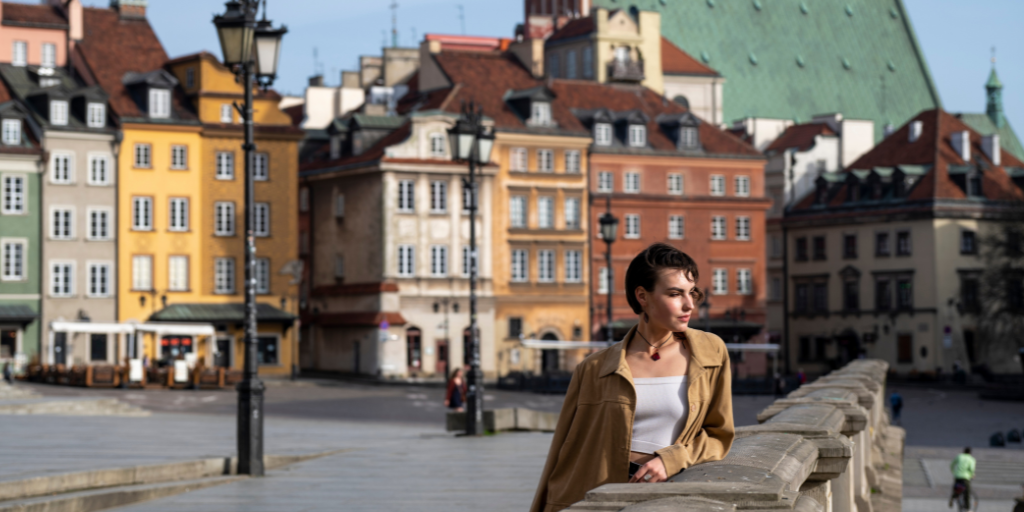
The wealth of things to do in Warsaw is a surprise for a lot of visitors, regardless of how much they already know about Poland and its capital city. This resilient destination combines a thoroughly reconstructed historic centre with one of Europe’s most vibrant contemporary art and food scenes, creating a city that feels simultaneously ancient and modern.
Warsaw features remarkable contrasts: from sobering wartime memorials and the UNESCO-listed Old Town squares, to stylish rooftop bars, natural wine cafés, and independent galleries that reflect a city confidently shaping its own cultural identity.
A weekend here barely scratches the surface, but it’s enough to fall completely in love. With that in mind, we’ve prepared a whistlestop itinerary for your 48 hours in Warsaw—ideal for any weekend from Spring through to Autumn.
Getting Oriented: Warsaw’s Character and Layout
Spread across distinct neighbourhoods that each carry their own personality, Warsaw’s attractions and sights range from easy-to-find to remote hidden gems. The reconstructed Old Town sits in the north, whilst Śródmieście (the city centre) pulses with commercial energy. Further outside the centre, Mokotów in the south and Żoliborz in the north offer quieter, residential charm where locals live, socialise, and create.
Flaner Hotel sits conveniently between the city centre and the Old Town, offering excellent transport connections that make reaching every corner of Warsaw effortless. It’s an ideal base for the kind of free-roaming, neighbourhood-hopping exploration that reveals Warsaw at its most authentic.
Day 1, Afternoon + Evening: History, Cityscape Views, and Late-Night Jazz
After settling in at Flaner Hotel, head to the Old Town to marvel at the meticulous post-war reconstruction—which earned it UNESCO World Heritage status in 1980. The colourful townhouses surrounding the Old Town Market Place (Rynek Starego Miasta) create one of Central Europe’s most charming squares, with distinct architectural features from 13–15th centuries, whilst the Castle Square (Plac Zamkowy) and 14th-century Royal Castle provide additional historical insights into the ancient history of the settlement.
A common mention in Warsaw travel guides, and for very good reason, is the Warsaw Rising Museum: one of Europe’s finest immersive museums, telling the story of the 1944 uprising with extraordinary emotional weight. Allow up to two hours here to make sure you can take it all in. Nearby, the Nożyk Synagogue is another must-see Warsaw educational experience, offering a moving encounter with the city’s orthodox Jewish heritage in a building that shows intriguing elements of Byzantine, Romanesque revival and Renaissance architecture.
For an underappreciated gem that most tourists miss entirely, wander through Próżna Street, a partially preserved pre-war Jewish street where deliberately unrestored buildings stand as reminders of the past. It’s a genuinely affecting experience just a few minutes from the lively Old Town.
Start your evening at Kępa Potocka park for locals’ favourite sunset views over the city skyline, before heading to Hala Koszyki: a restored 1908 market hall now housing some of Warsaw’s best food vendors and bars. Try a mix of traditional and modern dishes at Bajs, along with a great selection of craft beer and wines. After dessert, round off your first evening at Weles Bar for cocktails and exceptional live jazz from Polish musicians.
Day 2, Morning: Coffee Culture and Street Art Discoveries
Weekend mornings are when the city’s creative communities gather in neighbourhood cafés and market spaces, revealing plenty of Warsaw hidden gems right across the city. We recommend starting at Hala Mirowska, a wonderful 1900s market hall where locals shop for fresh produce, smoked meats, and regional cheeses—arrive early for the best selection and a genuinely local atmosphere.
Coffee culture here rivals any Western European capital: Filtry Café in Śródmieście serves some of the city’s finest espressos and pastries, whilst Kawiarnia Fabryczna attracts the creative community with its comprehensive menus.
After breakfast, head to the Praga district on the opposite side of the Vistula River. This former working-class neighbourhood retains an ungentrified character that feels entirely different from the modern shine of the city centre. From Soviet-era architecture to street art covering numerous building facades, plus numerous studios and galleries occupying former factory spaces, this neighbourhood rewards those inquisitive travellers who make the journey across the river.
You can’t go to Warsaw without having a plate of homemade pierogi (dumplings), so now would be the perfect time to stop at Skamiejka for lunch. Start with a bowl of Ukha fish soup if you’re particularly hungry, but the main star of the show here is the selection of dumplings: Polish style, Georgian style and Russian style flavours are all usually available to order.
Day 2, Afternoon + Evening: Vodka, Parks, and Modern Polish Cuisine
Take a pitstop at HAŁAS Coffee+Vinyl before heading to the Polish Vodka Museum in the former factory complex Koneser Center. Here you’ll learn all about how vodka is made and why it’s so important to Polish culture.
Head back across the river to Łazienki Park for a beautiful afternoon escape in the largest park in the city. Here you’ll find the Palace on the Isle surrounded by peacocks and carefully landscaped gardens. Free Chopin concerts often take place here during summer weekends, drawing locals and visitors alike for picnics on the grass. The park’s quieter corners hide charming 18th-century structures and sculpture gardens that reward unhurried exploration.
Freshen up at Flaner Hotel and then head out for dinner. At the time of writing, Warsaw is home to three Michelin starred restaurants, and we have to recommend the incredible Rozbrat 20 in the Powiśle district, where chef and co-owner Bartosz Szymczak draws on the Polish cuisine that he grew up with and infuses it with haute British-French cuisine practices. For something more casual but equally compelling, Kieliszki na Próżnej specialises in natural wines paired with modern European plates in an intimate setting.
End the evening at El Koktel for world-class cocktails in an intimately lit basement space that’s full of ambience. The team here are highly knowledgeable about drinks and ingredients, so you’re sure to leave here with a new favourite cocktail to recreate at home.
Day 3, Morning: Flea Markets and Farewell Strolls
A weekend in Warsaw wouldn’t be complete without visiting Koło Antique Market, which operates on Saturday and Sunday mornings and attracts serious collectors alongside casual browsers hunting for Soviet-era curiosities, vintage Polish posters, and pre-war ceramics. Have a quick breakfast at Flaner Hotel before heading to the market before 8 AM to increase your chances of the best finds!
After browsing for unique treasures, pick up a traditional Polish doughnut from Cukiernia Sowa to fuel the rest of your morning exploration. Jump on a tram to the north of the city to explore the charming residential neighbourhood of Żoliborz. Here you’ll see Art Deco apartment buildings, independent bookshops, and plenty of speciality coffee shops to keep you going. Stop at Charlotte bakery on Plac Wilsona for coffee and fresh baked goods before heading back to your hotel to pick up your bags.
On the way to the airport, you’ll be wondering why you didn’t book for an extra day or two, but it’s wonderful to know that there is more still to explore when you next visit.
Warsaw Will Surprise You
Warsaw rewards curious travellers who allow the city to reveal itself gradually through its distinct neighbourhoods, its wide range of traditional and modern cuisine, and its wonderfully welcoming people. This is a capital that has rebuilt itself multiple times and emerged each time with greater confidence and creativity, ready to share with visitors from all walks of life.
Recommended Articles